
Insider Insights
"Our front desk team frequently visits Phe Phe Falls. We highly recommend heading there early in the morning to beat the tourist rush and catch the best lighting for photography. Need a reliable taxi or guided tour? Just ask us at the reception before you head out!"
The "Paradise" Falls-a spectacular two-tier waterfall offering a secluded adventure and azure pools.
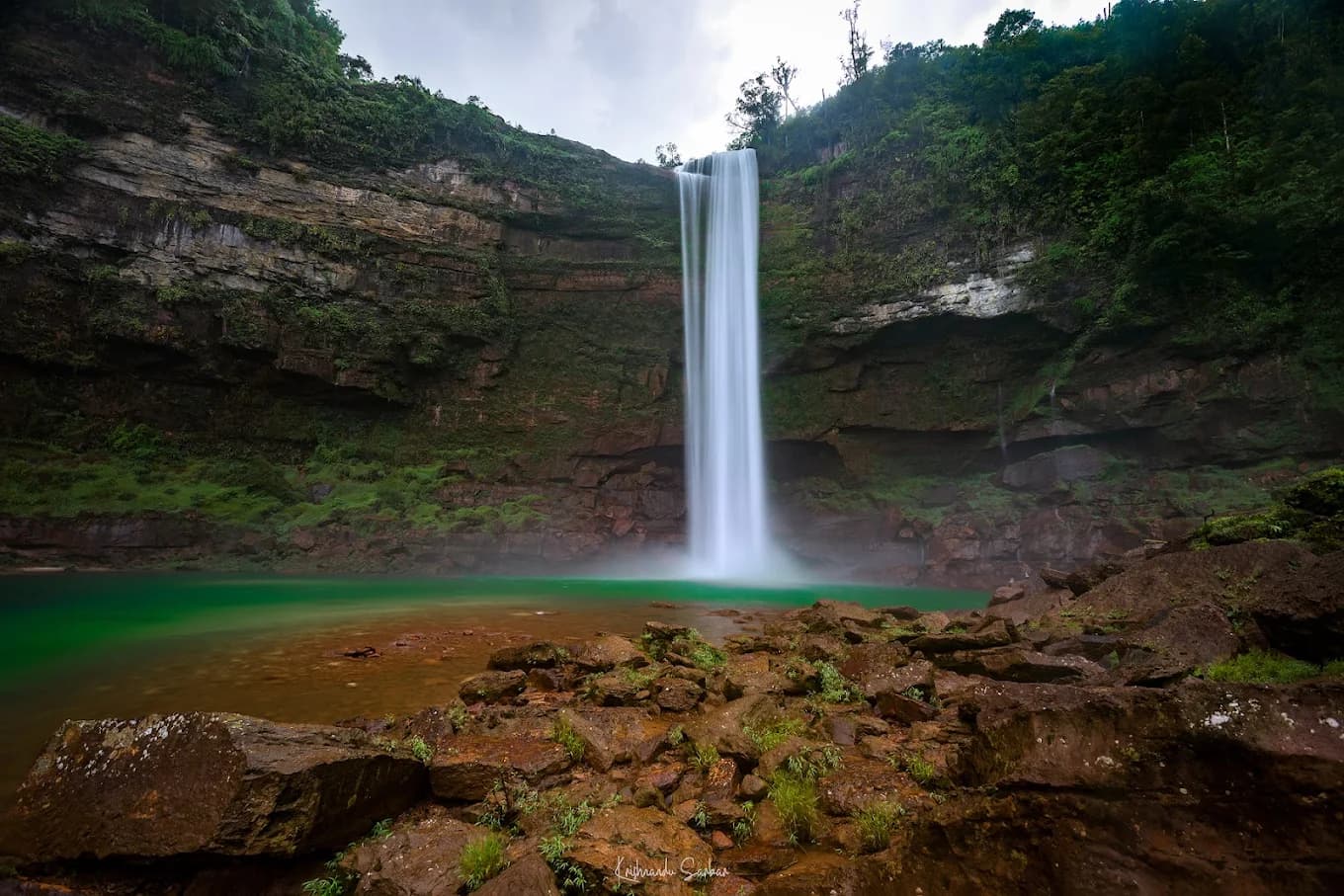
Phe Phe Falls, known locally as "Phea Phea," carries a name that translates beautifully to "Paradise" in the Jaintia dialect-a designation that proves remarkably accurate upon first sight of this spectacular natural wonder. Located near Shkentalang village approximately 20 kilometers from Jowai, this two-tiered waterfall represents one of Meghalaya's most pristine and uncommercialized destinations, offering an authentic wilderness adventure that has only recently begun appearing on tourist radars.
Unlike the more developed and easily accessible waterfalls in the region, Phe Phe Falls demands genuine effort and engagement from its visitors, rewarding those willing to make the journey with an experience that feels like a personal discovery. The waterfall's relative obscurity means it remains blissfully free from crowds even during peak tourist seasons, providing the kind of intimate natural experience that has become increasingly rare in popular tourist destinations.
The Two-Tiered Marvel: Upper and Lower Falls
The structure of Phe Phe Falls is what makes it particularly special among Meghalaya's countless waterfalls. The river approaches the falls area flowing across a relatively flat plateau, creating a calm, wide stream that gives no hint of the drama about to unfold. This tranquil upper section creates several shallow pools perfect for wading and gentle swimming, offering a safe and relaxing water experience particularly suitable for families with children or nervous swimmers.
At the edge of the plateau, the character of the river transforms completely. The water suddenly plunges over a dramatic cliff in a powerful, nearly vertical drop of approximately 50-60 meters. This upper tier of the waterfall is narrow and concentrated, creating a thundering white column of water that crashes down onto rocks before spreading out and continuing its descent. The force and concentrated nature of this upper fall creates an impressive roar that can be heard from significant distances and produces a constant mist that catches sunlight to create frequent rainbow displays.
The water from the upper tier then flows across a small intermediate ledge before making a second, slightly shorter drop of 30-40 meters into the main pool below. This lower tier spreads wider than the upper section, creating a curtain-like cascade that contrasts beautifully with the narrow upper fall. The combined two-tier structure creates a dynamic visual composition that photographers and nature enthusiasts find endlessly fascinating.
The Azure Blue Pool: A Natural Swimming Paradise
The pool at the base of Phe Phe Falls rivals even the famous pools of Krang Suri in its stunning blue-green coloration. During the dry season months from November through March, the water achieves a remarkable azure blue clarity that appears almost artificially colored. This extraordinary hue results from the same geological processes seen at Krang Suri-limestone filtration creating suspended calcium carbonate particles that interact with sunlight to produce the characteristic blue glow.
The pool is large and deep, with depths varying from shallow wading areas along the edges to sections exceeding 10-12 meters in the center. The depth combined with the clarity creates a mesmerizing effect where you can see fish swimming far below the surface and rocks at impressive depths remain visible. The pool's surrounding setting-dark volcanic rocks creating strong contrast with the blue water, lush green vegetation overhanging the edges, and the dramatic waterfall backdrop-creates a scene of almost overwhelming natural beauty.
The water temperature remains cool year-round, typically in the range of 16-20°C (61-68°F), providing refreshing relief from Meghalaya's humidity. The coolness makes swimming invigorating rather than uncomfortable, though some acclimation is needed when first entering. The area directly beneath the waterfall creates a natural jacuzzi effect where the falling water massages swimmers, while the calmer areas of the pool allow for relaxed floating and swimming.
The rocks surrounding the pool have been naturally smoothed by centuries of water action, creating comfortable spots for sitting, sunbathing, or simply contemplating the scenery. These rocks also provide natural diving platforms of various heights for adventurous swimmers, though caution and knowledge of pool depth is essential before attempting any jumps.
The Adventure to Paradise: Journey and Trek
The journey to Phe Phe Falls is an integral part of the experience and adds significantly to the sense of adventure. The approach typically begins at the Paradise Adventure Camp, a base camp facility located beside a beautifully colored teal river. This camp serves as the jumping-off point for the waterfall trek and offers basic camping facilities for those who wish to extend their visit into a multi-day adventure.
What makes the trek to Phe Phe Falls unique among Meghalaya waterfall hikes is the river crossing component. The trail begins with a short kayak paddle across the teal river, immediately immersing you in the adventure experience. This crossing is typically done in stable two-person kayaks with life jackets provided, making it accessible even to those without kayaking experience. The paddle across takes just 5-10 minutes, but it sets an adventurous tone for what follows.
After the river crossing, the landscape transforms into something unexpected. The trek crosses a rocky plateau of exposed igneous rock-a landscape that appears prehistoric and otherworldly. This area looks nothing like the typical lush forest environment of Meghalaya, instead resembling something from a barren highland region. The black volcanic rock has been weathered into unusual formations, creating an almost lunar landscape that provides stunning photographic opportunities.
As you cross this rocky expanse, keep your eyes open for one of the region's most fascinating botanical features-carnivorous pitcher plants (Nepenthes khasiana) growing wild among the rocks and sparse vegetation. These remarkable plants, found only in Meghalaya and adapted to the nutrient-poor soils of the plateau, supplement their diet by trapping and digesting insects in their modified pitcher-shaped leaves. Finding these rare plants adds an element of natural history discovery to the trek.
Beyond the plateau, the trail enters forest and begins descending toward the waterfall. The sounds of the falls become audible long before they're visible, building anticipation. The path can be steep and requires some scrambling over rocks and roots, making moderate fitness levels necessary. The total trek from the river crossing to the waterfall typically takes 30-45 minutes at a steady pace, though allowing extra time for photography and pitcher plant hunting is recommended.
Flora and Fauna: A Biodiversity Hotspot
The Phe Phe Falls area represents a fascinating ecological transition zone where different habitat types meet and create conditions supporting exceptional biodiversity. The trek passes through multiple distinct ecosystems-riverine habitat, rocky plateau, and dense forest-each supporting characteristic plant and animal communities.
The forest sections are dominated by tropical evergreen vegetation with a complex structure. The canopy layer features trees such as various fig species, oak relatives, and members of the laurel family. The understory contains numerous species of ferns, including some rare and endemic varieties, as well as orchids that bloom at different times throughout the year. Epiphytic plants-species that grow on other plants without parasitizing them-festoon the trees, creating layers of vegetation that provide habitat for countless insects, amphibians, and small mammals.
Birdwatching at Phe Phe Falls can be excellent, particularly in the early morning hours. The area supports populations of numerous bird species including various bulbuls, laughingthrushes, and minivets. More sought-after species like hornbills occasionally visit the area, and patient birdwatchers report sightings of rare and localized species. The waterfall itself attracts insect-eating birds that hunt the abundant flying insects found near the water.
The pool and surrounding aquatic habitats support healthy populations of fish, including several species endemic to Meghalaya's river systems. These fish can often be seen swimming in the clear water, and their presence indicates good water quality and a healthy ecosystem. Amphibians including various frog species are abundant, and their evening choruses create a remarkable soundscape at dusk.
Mammals are more elusive but present. The surrounding forest provides habitat for species such as barking deer, wild boar, civets, and various small mammals. Evidence of these animals-tracks, droppings, and feeding signs-can be found along the trail. More rarely, larger mammals such as Asiatic black bears or clouded leopards may pass through the area, though sightings are extremely uncommon.
Camping and Overnight Experiences
While Phe Phe Falls can certainly be visited as a day trip from Jowai, the destination truly reveals its magic to those who stay overnight. Camping near the waterfall allows you to experience the site during the golden hours of dawn and dusk, when day-trippers are absent and the quality of light creates photographic magic.
The Paradise Adventure Camp serves as the base for overnight stays, offering both tent camping and basic shelter accommodation. Facilities are deliberately rustic, emphasizing the wilderness experience over comfort. Expect basic tents on wooden platforms, shared washroom facilities, and simple meal service featuring local Jaintia cuisine. The camp's riverside location means you fall asleep to the sounds of flowing water and wake to birdsong and morning mist rising from the river.
Evening at the waterfall offers a completely different experience from daytime visits. As the sun sets and the forest transitions into night, the waterfall becomes a point of focus in gathering darkness. The sound of falling water takes on new dimensions in the absence of visual distraction. The night sky, freed from light pollution, reveals stellar displays that are impossible to see from cities. The Milky Way arches overhead, and meteor showers can be witnessed in all their glory during appropriate times of year.
Early morning visits to the waterfall, possible only for campers, reveal the site in its most pristine and magical state. Morning mist often fills the amphitheater containing the falls, creating ethereal conditions where the waterfall appears and disappears behind veils of mist. The soft morning light lacks the harsh contrast of midday, creating gentle illumination perfect for photography. Early morning is also when wildlife is most active-you might spot otters playing in the pool or rare birds visiting the waterfall.
Comparison with Krang Suri and Other Falls
Visitors to the Jaintia Hills often debate the relative merits of Phe Phe Falls versus the more famous Krang Suri Waterfalls. Each has distinct advantages and creates different experiences. Understanding these differences helps visitors choose which to prioritize if time is limited, or appreciate the unique qualities of each if visiting both.
Krang Suri's advantages include easier accessibility, better facilities, and the most intense blue water coloration in the region. It's ideal for families, casual visitors, and those who prioritize convenience and amenities. The developed pathways and changing rooms make it very user-friendly.
Phe Phe Falls offers a more adventurous, remote, and uncommercialized experience. The kayak crossing, the trek through varied landscapes, the discovery of pitcher plants, and the two-tier waterfall structure create a more comprehensive adventure. The smaller crowds mean a more intimate and peaceful experience. For serious hikers, adventure seekers, and those valuing wilderness over convenience, Phe Phe often proves more satisfying.
The blue water coloration is comparable at both sites during the dry season, though Krang Suri's pool is larger and the color sometimes appears more intense due to the greater volume of water. Phe Phe's two-tier structure creates more visual interest and complexity in the waterfall itself.
Photography enthusiasts often favor Phe Phe for its more dramatic and varied compositions. The two-tier structure allows for different framing options, and the less-developed surroundings create a more wild and natural aesthetic. However, Krang Suri's reliability and consistent conditions make it easier for guaranteed shots.
Seasonal Considerations and Best Times
Phe Phe Falls transforms significantly with the seasons, each period offering distinct experiences and advantages. Understanding these seasonal variations helps visitors time their trip for the specific experience they desire.
The post-monsoon period of September to November sees the waterfall at maximum volume following the heavy summer rains. The falls are at their most powerful and dramatic during this time, with water thundering down in massive volume. However, the water clarity is reduced due to suspended sediments, and the characteristic blue color is less pronounced. This period suits those prioritizing waterfall power over swimming conditions.
December through February represents the peak dry season and the time of maximum water clarity and blue coloration. The waterfall volume decreases but remains substantial, and the pools achieve their most vivid azure color. Water temperature is at its coolest, making swimming refreshing but requiring some acclimatization. This period offers the best overall experience for most visitors, combining good waterfall flow with excellent swimming conditions and clear water.
March through May sees continued dry conditions with gradually decreasing water flow. By late May, the waterfall may be significantly reduced, though the pools retain good depth. The water remains very clear and blue, and the hot pre-monsoon temperatures make the cool water especially appealing. This period offers excellent swimming and the most comfortable air temperatures, though the waterfall itself is less impressive.
June through August brings the monsoon season, transforming the entire landscape. The waterfall returns to maximum power, the forest becomes intensely green, and the environment feels primally alive. However, the trek becomes significantly more challenging with muddy trails and slippery rocks. Leeches are abundant in the forest, and the river crossing may become difficult or impossible during heavy rain. The monsoon is best avoided unless you're an experienced trekker comfortable with challenging conditions.
Conservation and Sustainable Tourism
As Phe Phe Falls gains recognition and visitor numbers gradually increase, questions of conservation and sustainable tourism become increasingly important. The site's pristine condition-the clear water, healthy forests, and abundant wildlife-results from its remoteness and the responsible stewardship of local communities. Maintaining these qualities while accommodating growing interest requires conscious effort from all stakeholders.
The local community has taken a leadership role in managing access to the falls. The Paradise Adventure Camp is a community-based enterprise that provides employment and income while managing visitor impact. Revenue from camping, guide services, and kayak rentals creates economic incentives for conservation rather than exploitation.
Visitors play a crucial role in conservation through their behavior and choices. Following Leave No Trace principles is essential-pack out all trash, avoid disturbing wildlife, stay on established trails, and don't pick plants or damage vegetation. Even biodegradable waste like fruit peels should be packed out, as they can alter soil chemistry and provide food for animals in an unnatural way.
The rare carnivorous pitcher plants found on the trek route deserve special protection. These plants grow slowly and are easily damaged. Resist any temptation to touch or collect them-observation and photography should be the extent of interaction. Similarly, the fish in the pool should not be fed human food, as this can alter their behavior and health.
Supporting community-based enterprises like the Paradise Adventure Camp, hiring local guides, and purchasing food and supplies in local villages ensures that economic benefits from tourism flow to the communities that live with and protect these natural resources. This creates alignment between conservation and economic development, making protection of sites like Phe Phe Falls in everyone's interest.
Key Highlights
- ✧Spectacular two-tier waterfall with 50-60m upper tier and 30-40m lower tier
- ✧Stunning azure blue pool rivaling Krang Suri in color intensity
- ✧Less commercialized and crowded than famous waterfalls-authentic wilderness experience
- ✧Unique trek involving river kayak crossing across teal-colored river
- ✧Home to rare carnivorous pitcher plants (Nepenthes khasiana) found along trek
- ✧Crosses prehistoric-looking igneous rock plateau unlike typical Meghalaya landscapes
- ✧Deep pool (10-12m maximum) excellent for swimming with natural diving platforms
- ✧Excellent riverside camping opportunities at Paradise Adventure Camp
- ✧Superior privacy and solitude compared to developed waterfall sites
- ✧Outstanding photography opportunities with varied compositions
When to Visit
September to April offers the best overall experience. December-February provides the most vivid blue water with good waterfall volume. September-November shows maximum waterfall power with reduced water clarity. March-May offers comfortable temperatures and excellent swimming despite lower waterfall volume. Avoid monsoon (June-August) unless experienced in challenging conditions-trails become treacherous and leeches abundant.
How to Reach
Drive from Jowai towards Jarain village (approximately 20 km, 30 minutes). Look for signage to Paradise Adventure Camp along the road. The camp is visible from the main road and serves as the trailhead. From the camp, the experience includes a 5-10 minute kayak crossing of the river followed by a 30-45 minute moderate trek involving crossing a rocky plateau and descending through forest. The trek requires moderate fitness and sturdy footwear. Local guides available at the camp.
Essential Travel Tips
- 1Wear sturdy trekking shoes with excellent grip-the descent to the waterfall can be steep and involves scrambling over rocks.
- 2Bring a waterproof dry bag for valuables, camera equipment, and spare clothes-the kayak crossing and waterfall spray ensure you'll get wet.
- 3Carry sufficient water (at least 1-2 liters per person) and high-energy snacks-no shops or facilities exist at the waterfall.
- 4Life jackets are typically provided for the kayak crossing-use them even if you're a confident swimmer.
- 5Combine your visit with nearby Sua Ludong Falls for a comprehensive waterfall-hopping day.
- 6Consider camping overnight at Paradise Adventure Camp to experience the waterfall at dawn and dusk-book in advance.
- 7Bring swimwear and a towel if you plan to swim-changing facilities are minimal.
- 8Watch for carnivorous pitcher plants on the rocky plateau section-excellent photo opportunity but don't touch or damage them.
- 9Pack sunscreen and sun protection-limited shade available on the rocky plateau section of the trek.
- 10Early start (by 8-9 AM) ensures you have plenty of time for the trek, swimming, and return before afternoon heat or rain.
- 11Hire a local guide if you're unfamiliar with the area-they know the best routes and can point out interesting flora and fauna.
- 12Practice Leave No Trace principles-pack out all trash and avoid damaging vegetation.
- 13The trek is not suitable for very young children or those with mobility limitations-assess fitness levels realistically.
- 14Bring insect repellent, especially if visiting in shoulder seasons-mosquitoes and other insects can be present.
- 15Check weather conditions before setting out-the river crossing and trek become dangerous in heavy rain.
- 16Photography is best in morning light (9-11 AM) or late afternoon (3-5 PM) when harsh midday glare is absent.
Explore Phe Phe Falls
Make Kaizen Stay-Inn your luxurious basecamp. Return from your exploration to hot showers, pristine rooms, and exceptional local cuisine.