
Insider Insights
"Our front desk team frequently visits Krem Chympe Waterfall. We highly recommend heading there early in the morning to beat the tourist rush and catch the best lighting for photography. Need a reliable taxi or guided tour? Just ask us at the reception before you head out!"
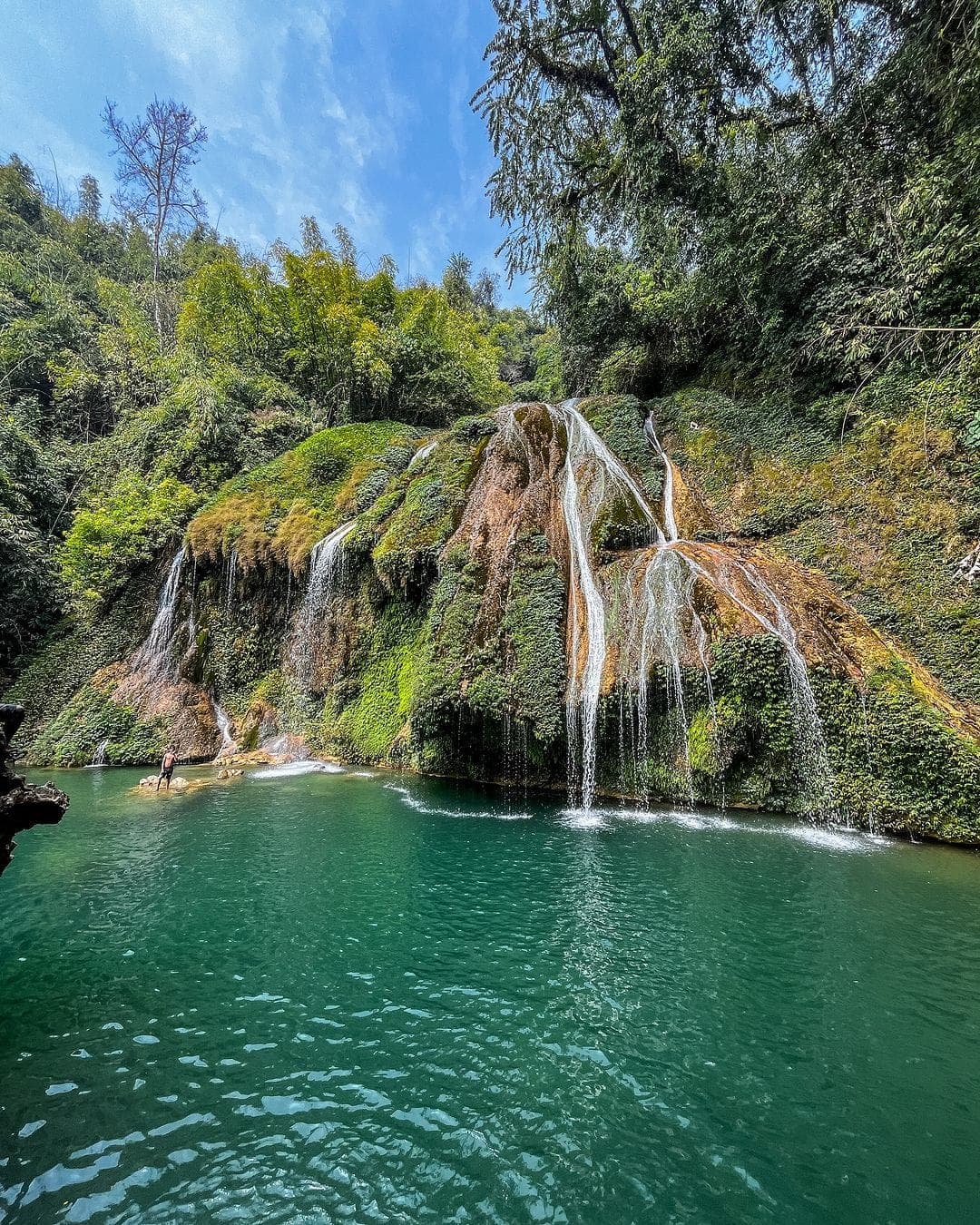
Meghalaya's hidden jewel-a majestic waterfall flowing into a crystal-clear river at the mouth of the 5th longest cave system in India.
Krem Chympe Waterfall stands as one of the most extraordinary natural wonders in Meghalaya, representing a perfect fusion of surface beauty and subterranean mystery. Located deep within the pristine forests of the East Jaintia Hills district, approximately 45 kilometers from Jowai, this spectacular cascade is far more than just another waterfall in Meghalaya's impressive collection. It serves as the dramatic gateway to India's fifth-longest cave system, making it a destination of immense geological, ecological, and adventure tourism significance.
The Geological Marvel: A Resurgent Cave System
Krem Chympe is classified as a "resurgent cave," a rare and fascinating geological phenomenon where an underground river, after traveling through darkness for several kilometers beneath the earth's surface, dramatically resurfaces at the cave's mouth. The waterfall you witness cascading down the limestone cliff is the culmination of an extensive subterranean journey. This river has carved its path through the Jaintia Hills' ancient limestone formations over millions of years, creating one of the most extensive cave networks in the Indian subcontinent.
The Krem Chympe cave system has been surveyed and documented by speleologists and cave explorers from around the world. Current explorations have mapped over 10.5 kilometers of interconnected passages, chambers, and galleries within the cave. However, ongoing expeditions suggest that the actual extent of the system could be significantly larger, with some estimates placing the potential total length at approximately 19 kilometers or more. This makes Krem Chympe not only the fifth-longest cave in India but also one of the most significant karst formations in South Asia.
The Spectacular Waterfall and Natural Pool
The waterfall at Krem Chympe plunges approximately 20-25 meters down a sheer limestone cliff face, creating a thunderous roar that echoes through the surrounding forest. The water crashes into a deep, crystal-clear pool that exhibits stunning shades of turquoise and emerald green, depending on the time of day and season. This natural pool, which marks the mouth of the cave system, is exceptionally deep in places and provides an ideal setting for swimming and exploring.
What makes the waterfall particularly mesmerizing is the sheer volume and clarity of the water. Unlike many seasonal waterfalls in Meghalaya that dry up during winter, Krem Chympe maintains a substantial flow throughout the year because it is fed by the extensive underground river system. The water emerging from the cave is naturally filtered through layers of limestone, resulting in remarkable clarity and a distinctive blue-green color that seems almost otherworldly.
The surrounding environment adds to the dramatic visual impact. The waterfall is framed by towering limestone cliffs covered with moss, ferns, and small trees that cling to every available crevice. The forest canopy creates a natural cathedral-like setting, with shafts of sunlight piercing through to illuminate the mist created by the falling water, often producing rainbows that dance across the pool.
The Cave System: An Underground Wonder
Beyond the waterfall lies the true treasure of Krem Chympe-the cave system itself. The entrance is wide and imposing, easily accessible from the pool area. Inside, the cave reveals a world sculpted by water over geological timescales. The passages range from narrow crawl spaces to massive chambers with ceilings that soar 20-30 meters overhead.
One of the most remarkable features of Krem Chympe is its collection of natural limestone formations. The cave contains over 50 natural dams, known geologically as "gours" or "rimstone pools." These formations are created when calcium carbonate-rich water deposits minerals along the edges of pools, gradually building up walls that can reach heights of 6 to 12 meters. The result is a spectacular series of terraced pools, each holding crystal-clear water at different levels, creating an underground landscape that resembles a frozen waterfall or a series of massive limestone bathtubs.
The cave also features impressive arrays of stalactites hanging from the ceiling like stone icicles and stalagmites rising from the floor to meet them. Some of these formations have been growing for tens of thousands of years, creating columns where stalactites and stalagmites have merged. The largest formations glisten with moisture and create an almost mystical atmosphere when illuminated by headlamps or torches.
Unique Biodiversity and Ecological Importance
Krem Chympe supports a unique and fragile ecosystem adapted to life in complete darkness. The cave is home to several species found nowhere else on earth. Most notably, it harbors the world's largest known species of blind cavefish, which can grow up to 40 centimeters in length-an extraordinary size for a cave-dwelling fish. These fish have evolved to lose their eyesight completely, as vision provides no advantage in the eternal darkness of the cave. Instead, they navigate using enhanced lateral line systems that detect minute water movements and vibrations.
The cave also supports large colonies of bats, including several species that roost in the darker chambers deep within the system. These bats play a crucial ecological role, serving as a major source of nutrients for the cave ecosystem through their droppings, which support communities of invertebrates, fungi, and microorganisms.
Beyond the cave itself, the surrounding forest represents pristine tropical evergreen habitat that is increasingly rare in South Asia. The area serves as a refuge for numerous bird species, including several hornbill species, as well as mammals such as barking deer, wild boar, and occasionally even clouded leopards.
Cultural and Spiritual Significance
For the indigenous Pnar (also known as Jaintia) and Khasi communities living in nearby villages like Brichyrnot and Khaddum, Krem Chympe holds deep spiritual and cultural significance. The cave and waterfall are woven into local mythology and folklore. According to ancient legends, the cave was once the dwelling place of U Thlen, a powerful serpent spirit who played a role in local creation myths and moral tales.
The river emerging from the cave is considered sacred and is believed to possess purifying properties. Local communities occasionally conduct religious ceremonies at the waterfall, and the water is sometimes used in traditional healing practices. The natural limestone dams inside the cave are viewed as symbols of prosperity and agricultural abundance, as they represent nature's ability to create terraces similar to those used in traditional farming.
Adventure Tourism and Exploration
Visiting Krem Chympe is a true adventure that rewards those willing to make the journey. The site remains relatively undeveloped and uncommercial, offering an authentic wilderness experience increasingly rare in modern India. Getting to the waterfall involves a combination of road travel and trekking that takes visitors through some of the most beautiful and remote landscapes in Meghalaya.
The final approach to the waterfall typically involves a trek of 3-5 kilometers from the nearest road accessible to standard vehicles. This trek passes through dense tropical forest, crossing small streams and navigating uneven terrain. For those seeking an easier route, four-wheel-drive vehicles can sometimes reach closer to the waterfall during the dry season, reducing the trek to a shorter hike.
At the waterfall itself, visitors have multiple options for exploration and recreation. The deep pool at the base of the waterfall is perfect for swimming, though the water is quite cold year-round due to its underground origin. The pool's depth varies significantly, with some areas shallow enough for wading and others deep enough to require strong swimming skills. The surrounding rocks provide excellent spots for photography and simply soaking in the spectacular views.
For those interested in cave exploration, entering the initial sections of the Krem Chympe cave system is possible without specialized equipment. The twilight zone near the entrance is accessible on foot or, during high water periods, by bamboo raft or kayak. This area allows visitors to experience the unique atmosphere of the cave while still benefiting from some natural light filtering in from the entrance.
More extensive cave exploration requires proper equipment, including headlamps, helmets, appropriate clothing, and preferably the guidance of experienced cavers. Several adventure tourism operators in Meghalaya now offer guided caving expeditions into Krem Chympe, providing all necessary equipment and expertise. These expeditions can range from half-day introductory tours to multi-day expeditions that explore the deeper sections of the cave system.
Photography and Visual Appeal
Krem Chympe offers exceptional opportunities for photography. The combination of the powerful waterfall, the incredibly blue-green pool, the dramatic limestone cliffs, and the lush forest creates a visually stunning setting that photographers dream of capturing. The changing light conditions throughout the day create different moods and atmospheres, from the soft morning light that emphasizes the mist and creates rainbow effects to the dramatic afternoon shadows that highlight the textures of the rock formations.
Inside the cave, photography becomes more challenging but equally rewarding. Long exposures can capture the delicate beauty of the limestone formations and the mirror-like quality of the underground pools. The contrast between light and shadow in the twilight zone creates artistic opportunities for dramatic compositions.
Conservation and Sustainable Tourism
The pristine condition of Krem Chympe is the result of its remote location and the stewardship of local communities. However, as awareness of this remarkable site grows, there are increasing concerns about balancing tourism development with environmental conservation. The fragile cave ecosystem, particularly the unique species like the giant blind cavefish, could be severely impacted by pollution, disturbance, or excessive visitation.
Local communities and conservation organizations are working to develop sustainable tourism practices that allow visitors to experience Krem Chympe while minimizing environmental impact. This includes establishing carrying capacity limits, creating designated paths to prevent erosion, and educating visitors about the ecological sensitivity of cave systems. Visitors play a crucial role in conservation by following Leave No Trace principles, respecting local guidelines, and supporting community-based tourism initiatives that provide economic incentives for conservation.
Key Highlights
- ✧Gateway to the 5th longest cave system in India (10.5 km explored, potentially 19 km total)
- ✧Home to the world's largest blind cave fish (approximately 40 cm long)
- ✧Unique "resurgent cave" where a river reappears from underground
- ✧Over 50 massive natural limestone dams (gours) creating terraced pools inside
- ✧Turquoise blue waters perfect for swimming, kayaking, and rafting
- ✧Year-round water flow maintained by underground river system
- ✧Rich biodiversity including rare cave-adapted species and large bat colonies
When to Visit
October to April offers the best experience. The dry winter months (November-February) provide optimal water clarity, revealing the famous blue-green color, and safer trekking conditions with minimal leeches. The shoulder months of October and March-April offer a balance between good weather and fewer crowds. Monsoon season (June-September) makes the waterfall spectacular with maximum volume, but trails become extremely slippery and dangerous, cave exploration is not possible, and leeches are abundant.
How to Reach
From Jowai, travel towards Khliehriat, the headquarters of East Jaintia Hills district (approximately 4 hours from Shillong). From Khliehriat, proceed to Brichyrnot village. The final leg involves a 3-5 km trek through jungle terrain from the village. Alternatively, during dry season, a 4x4 vehicle can take you closer to the waterfall, reducing the trek to a short hike of 30-45 minutes. Hiring a local guide from Khaddum or Brichyrnot village is essential as trails are not well-marked and navigation can be challenging.
Essential Travel Tips
- 1Hiring a local guide from Khaddum or Brichyrnot village is absolutely essential-this is non-negotiable for both safety and navigation.
- 2Bring your own life jackets if you plan to swim, as the pools can be very deep (20+ meters in places) and there are no rental facilities on-site.
- 3Carry waterproof dry bags for cameras, electronics, and documents-expect to get wet from spray and potentially crossing streams.
- 4Start your journey very early (by 5-6 AM) to allow sufficient time for the trek in and out before dark-there is no lighting on the trails.
- 5Wear leech-proof socks if visiting during or shortly after the monsoon season; leeches are common in the forest.
- 6Bring sufficient water and high-energy snacks-there are no shops or facilities near the waterfall.
- 7Wear quick-dry clothing and bring a change of clothes in a waterproof bag.
- 8If you plan to explore inside the cave, bring at least two reliable light sources (headlamp plus backup) with extra batteries.
- 9The water is cold year-round (approximately 18-20°C) due to its underground origin-be prepared for the temperature shock.
- 10Practice Leave No Trace principles-pack out all trash and avoid disturbing wildlife, especially near the cave entrance.
- 11Mobile phone connectivity is limited or non-existent in the area-inform someone of your plans and expected return time.
- 12For serious cave exploration beyond the entrance area, contact professional adventure tourism operators in Shillong or Jowai who can provide proper equipment and experienced guides.
Explore Krem Chympe Waterfall
Make Kaizen Stay-Inn your luxurious basecamp. Return from your exploration to hot showers, pristine rooms, and exceptional local cuisine.