
Insider Insights
"Our front desk team frequently visits Krang Suri Waterfalls. We highly recommend heading there early in the morning to beat the tourist rush and catch the best lighting for photography. Need a reliable taxi or guided tour? Just ask us at the reception before you head out!"
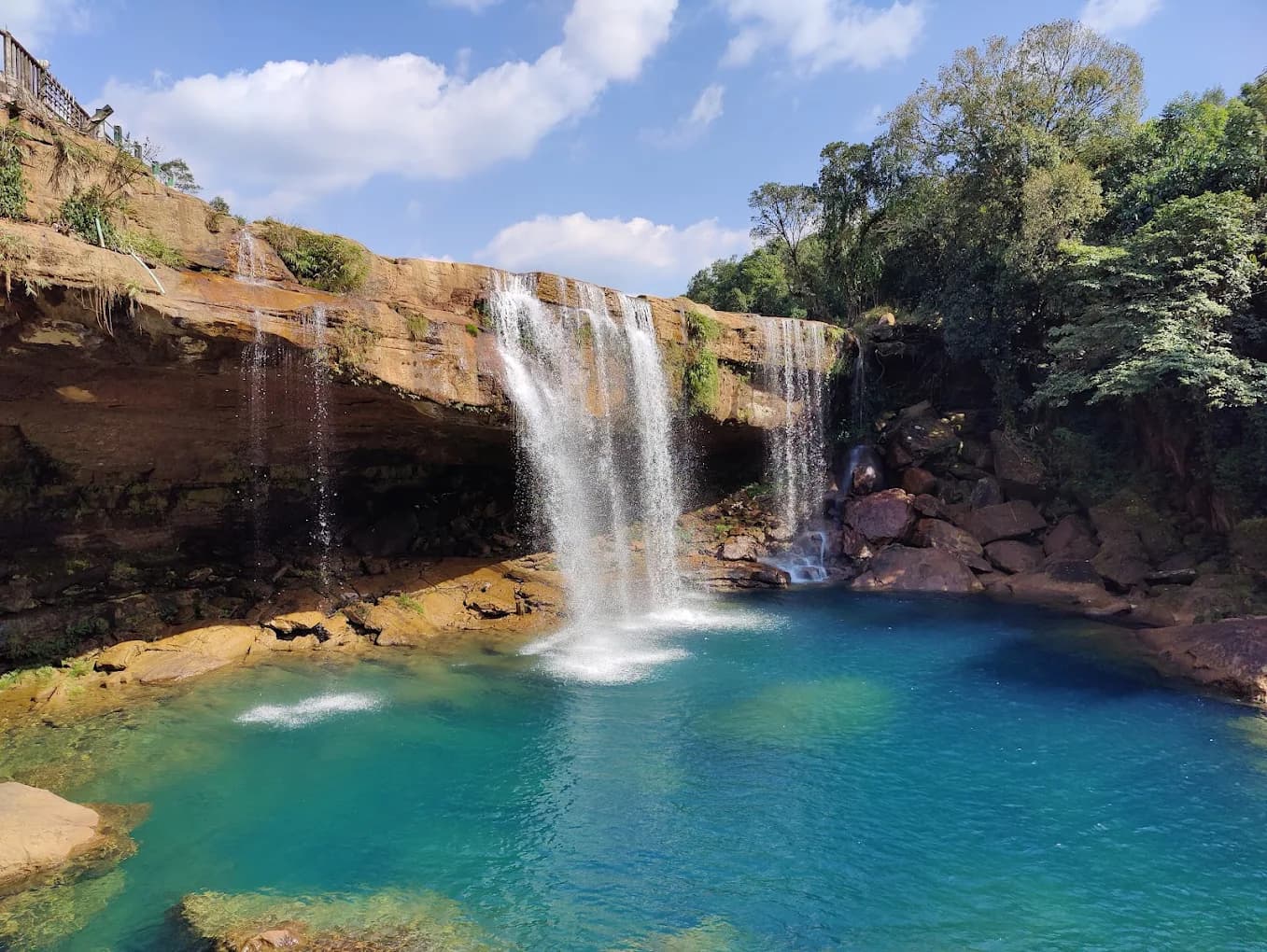
Crystal clear blue waters perfect for swimming. One of the most famous and accessible waterfalls in Meghalaya.
Krang Suri Waterfalls has rightfully earned its reputation as one of the most enchanting and photogenic waterfalls in all of India. Located in the picturesque Jaintia Hills of Meghalaya, approximately 28 kilometers from Jowai town, this natural wonder captivates visitors with its ethereal, translucent blue waters that seem to glow with an inner light under the tropical sun. Unlike many waterfalls that are spectacular only during the monsoon, Krang Suri maintains its beauty and charm throughout the year, though it transforms into different avatars with the changing seasons.
The Legendary Blue Waters
What sets Krang Suri apart from countless other waterfalls in water-rich Meghalaya is the extraordinary color of its waters. During the dry winter months from November through March, the pool at the base of the falls exhibits a mesmerizing shade of turquoise blue that appears almost artificial in its intensity. This remarkable coloration is the result of several natural factors working in harmony: the limestone-filtered water carrying suspended calcium carbonate particles, the depth and clarity of the pool, and the way sunlight penetrates and reflects through the water.
The waterfall descends approximately 40 meters in a wide, curtain-like cascade that spreads across a broad rock face. During peak flow in the monsoon, the falls become a thundering wall of white water, while in the dry season, the flow reduces to reveal the individual rivulets and the black volcanic rock over which the water flows, creating beautiful contrasts with the blue pool below.
The main pool at the base of the waterfall is large and deep, with varying depths that accommodate both nervous waders and confident swimmers. The deepest sections reach 6-8 meters, while the edges provide shallower areas perfect for children and non-swimmers. The water maintains a cool, refreshing temperature year-round, typically ranging from 18-22°C (64-72°F), providing welcome relief from Meghalaya's humid climate.
The Legend of Krang Suri
The name "Krang Suri" carries a poignant local legend that adds emotional depth to the physical beauty of the falls. In the Pnar language spoken by the indigenous Jaintia people, "Krang" refers to a rocky cliff or precipice, but the story behind "Suri" is more personal and touching.
According to local folklore passed down through generations, the waterfall is named after a young village boy called Krang Suri who lived in the area many generations ago. This boy had a special connection to an orange orchard that grew near the falls, owned by a kind elderly man. Every day, young Krang Suri would visit the orchard, and he and the orchard owner would meet at the precipice where the water cascades down. They would sit together, talking and sharing the companionship of friendship that transcended their age difference.
This daily ritual and the pure friendship between the boy and the old man became well-known in the village. When the owner passed away, the villagers decided to honor both the man and his young friend by naming the waterfall after the boy whose innocent friendship had brought joy to an elderly man's final years. The name "Krang Suri" thus serves as a permanent reminder of the importance of human connection and intergenerational friendship in Pnar culture.
For the local Pnar tribes, the waterfall holds spiritual significance beyond the legend. It is considered a sacred space where the spirits of nature are particularly present. This spiritual protection has helped preserve the waterfall's pristine condition for centuries, as local communities have traditionally regulated access and use, ensuring that the natural ecosystem remains undisturbed.
Accessibility and Development
One of Krang Suri's greatest advantages is its accessibility compared to many other spectacular waterfalls in Meghalaya. The East Jaintia Hills district administration has developed the site with tourists in mind, creating infrastructure that enhances the visitor experience while attempting to minimize environmental impact.
The journey to Krang Suri begins from Jowai town, following the well-maintained Jowai-Dawki road. The waterfall is located near the village of Amlarem, and clear signage along the highway makes it easy to find the turnoff. From the parking area, a beautifully constructed pathway of chiseled stone steps winds down toward the waterfall. This pathway is a feat of craftsmanship itself, with local stonemasons having carefully shaped and fitted thousands of stone steps to create a safe, durable, and aesthetically pleasing descent.
The walk down takes approximately 15-20 minutes, passing through a corridor of lush vegetation. As you descend, the sound of falling water gradually builds, creating anticipation. The pathway offers several viewpoints where the waterfall becomes visible through breaks in the tree cover, allowing for preview photographs before reaching the main viewing area.
At the base, the site has been thoughtfully developed with visitor facilities that include changing rooms where swimmers can change into and out of swimwear, clean washroom facilities, and a small refreshment area. Life jackets are available for rent, and their use is mandatory for anyone entering the deeper parts of the pool-a sensible safety measure that has prevented accidents while still allowing visitors to fully enjoy the swimming experience.
The Swimming Experience
Swimming in Krang Suri's turquoise pool is an experience that ranks among the highlights of any Meghalaya visit. The water is remarkably clear, allowing swimmers to see the rocky bottom even in areas several meters deep. The pool's size accommodates dozens of swimmers comfortably without feeling crowded, and natural rock formations divide the pool into distinct areas with different characters.
The area directly beneath the waterfall itself creates a natural massage zone where the falling water provides a powerful yet refreshing pounding on shoulders and back. The force of the water is strong enough to be exhilarating but not dangerous, making it popular with adventurous visitors. Moving away from the direct waterfall area, the pool becomes calmer, perfect for relaxed swimming and floating.
The edges of the pool feature numerous smooth rocks that provide natural seating areas where visitors can rest, sunbathe, or simply enjoy the view. These rocks have been naturally polished by centuries of water flow and are surprisingly comfortable for sitting or lying down. The surrounding vegetation provides partial shade in some areas, offering relief from the sun when needed.
The Hidden Path Behind the Falls
One of Krang Suri's most magical features, known only to visitors who explore thoroughly or have knowledgeable guides, is the path that allows you to walk behind the waterfall itself. On the left side of the waterfall (facing it), a narrow trail leads across wet rocks and through spray-soaked vegetation to a position directly behind the curtain of falling water.
Standing in this unique position, you experience the waterfall from a completely different perspective. The world beyond appears through a shimmering, ever-changing veil of water. The sound is overwhelming but not deafening, and the spray creates a constant cool mist. Rainbows frequently appear in the spray when the sun hits the falls at the right angle, creating photo opportunities that are truly unique. This behind-the-falls perspective offers some of the most distinctive waterfall photographs possible, with the silhouettes of other visitors visible through the water curtain.
The path behind the falls does require some careful footing, as rocks are inevitably wet and slippery. However, the passage is not technically difficult, and most reasonably fit visitors can navigate it safely with appropriate caution. The experience of seeing the waterfall from this unusual angle is well worth the minor challenge.
Seasonal Transformations
Krang Suri reveals different personalities with the changing seasons, making it a destination worth visiting multiple times throughout the year. Each season offers distinct advantages and unique experiences.
During the monsoon months (June-September), the waterfall reaches its maximum power and volume. The normally wide cascade becomes a thundering wall of water, and the pool swells with the increased flow. The water loses some of its characteristic blue clarity due to suspended sediments, taking on a more greenish or brown hue, but the sheer power of the falls in full flood is spectacular. Swimming becomes more challenging and potentially dangerous due to the strong currents, and the mandatory life jacket policy is strictly enforced.
The post-monsoon period (October-November) offers perhaps the best overall experience. The waterfall still has substantial volume from residual monsoon rainfall, but the water begins to clear, revealing hints of the famous blue color. The surrounding vegetation is lush and green from the rains, creating maximum visual impact. Crowds are moderate, and the weather is pleasant without being too hot.
Winter (December-February) is when Krang Suri displays its most iconic turquoise blue waters. The reduced water flow allows maximum clarity, and the limestone filtration creates the most intense coloration. The waterfall becomes more delicate, with individual streams visible across the rock face. The cooler air temperature contrasts with the relatively warmer water, making swimming particularly refreshing. This is peak tourist season, so expect larger crowds, especially on weekends and holidays.
The pre-monsoon hot season (March-May) sees even lower water flow, with the waterfall sometimes reducing to a trickle by late May. However, the pool maintains good depth due to its natural bowl shape. The blue color remains vivid, and the heat makes swimming especially appealing. This period offers the best opportunity to explore the rock formations and geology of the waterfall area, as more of the rock structure becomes exposed.
Photography Paradise
Krang Suri has become an Instagram-famous location and a favorite among travel photographers, and for good reason. The combination of the blue pool, the waterfall, the surrounding greenery, and the photogenic rock formations creates unlimited compositional possibilities.
The best photography light occurs between 11 AM and 2 PM when the sun is high enough to penetrate into the waterfall's amphitheater-like setting. During these hours, the sunlight illuminates the blue water most intensely, creating the vivid turquoise color that has made Krang Suri famous. Earlier and later in the day, the pool falls into shadow, which creates moody, dramatic images but loses the characteristic blue glow.
Wide-angle lenses can capture the entire waterfall and pool in a single frame, while telephoto lenses allow for detail shots of the water patterns and interesting rock formations. For adventurous photographers, waterproof cameras or housings enable underwater photography in the remarkably clear pool, capturing a unique perspective of swimmers and the waterfall from below the surface.
Long exposure photography during lower light conditions can transform the waterfall into a silky smooth curtain, creating ethereal images. However, the challenge is timing these shots during the brief periods when the light is dim enough for long exposures but bright enough to capture the blue water color.
Camping and Extended Stays
While most visitors experience Krang Suri as a day trip from Jowai or Shillong, the area also offers camping opportunities for those who want to extend their waterfall experience into a fuller immersion in nature. Several local operators have established designated camping zones near the waterfall, offering tent stays with basic facilities.
Camping near Krang Suri allows you to experience the waterfall at times when day-trippers are absent-early morning and evening. Morning visits reveal the waterfall in soft light with mist rising from the pool, creating an almost mystical atmosphere. The morning is also when local birds are most active, offering excellent birdwatching opportunities. Evening visits allow you to see the transition as the waterfall falls into shadow and the forest comes alive with nocturnal sounds.
Overnight camping also provides the opportunity to see the night sky, which can be spectacular when weather conditions are clear. The remoteness from major cities means minimal light pollution, allowing the Milky Way and countless stars to be visible. The sound of the waterfall provides a constant, soothing background to the camping experience.
Combining Krang Suri with Other Attractions
Krang Suri's location makes it an ideal anchor for a day or multi-day itinerary exploring the Jaintia Hills. The waterfall can be easily combined with visits to other nearby attractions to create a comprehensive experience of the region.
The Nartiang Monoliths, an impressive collection of ancient megalithic structures, are located approximately 40 kilometers away and make an excellent cultural complement to the natural beauty of Krang Suri. The monoliths offer insights into the rich history and traditions of the Jaintia kingdom.
Thadlaskein Lake, a scenic man-made lake surrounded by hills, is another nearby attraction that can be visited in combination with Krang Suri. The lake offers boating opportunities and a completely different type of water-based recreation.
Adventure seekers can combine Krang Suri with visits to other waterfalls in the area, such as Phe Phe Falls or Sua Ludong Falls, creating a waterfall-hopping itinerary that showcases the diversity of Meghalaya's cascades.
Key Highlights
- ✧Famous translucent turquoise blue waters visible year-round, most vivid in winter
- ✧Wide 40-meter cascade spreading across volcanic rock face
- ✧Unique path allowing visitors to walk behind the waterfall curtain
- ✧Excellent visitor amenities: changing rooms, life jackets for rent, washrooms
- ✧Detailed manicured stone pathways with 15-20 minute scenic descent
- ✧Swimming and boating allowed with mandatory life jacket policy for safety
- ✧Varying pool depths (6-8 meters maximum) suitable for all skill levels
- ✧Instagram-famous photography location with optimal lighting 11 AM-2 PM
When to Visit
Best visited October to March for the iconic blue water. December-February offers the most vivid turquoise color with clearest water. October-November provides great balance of water volume and clarity with fewer crowds. Monsoon visits (June-September) offer thunderous volume but reduced water clarity and swimming restrictions.
How to Reach
Located near Amlarem village, approximately 28 km from Jowai town on the Jowai-Dawki road. Easily accessible by private car or hired taxi. Clear signage marks the turnoff from the main highway. From the well-developed parking area, a scenic 15-20 minute walk down carefully constructed stone steps leads to the waterfall. Public transport is limited-hiring a vehicle from Jowai is recommended.
Essential Travel Tips
- 1Arrive between 11 AM and 2 PM to see the sun illuminate the famous blue water at its most vivid.
- 2Life jackets are mandatory for swimming and available for rent on-site at nominal cost-follow this safety rule strictly.
- 3Bring swimwear and towels if you plan to swim-changing rooms are available but bring your own toiletries.
- 4Entry fee and parking fee are required-keep small bills for payment.
- 5Weekends and holidays see large crowds-visit on weekdays for a more peaceful experience.
- 6The stone steps can be slippery when wet-wear shoes with good grip and use handrails.
- 7Waterproof bags or cases are essential for protecting phones and cameras from water spray.
- 8You can camp nearby at officially designated spots operated by local adventure tourism providers.
- 9Bring sunscreen and sun protection-limited shade available in the pool area.
- 10Pack out all trash and respect the natural environment-disposal bins are limited.
- 11Explore the path behind the waterfall for unique perspectives-take care on wet rocks.
- 12Avoid touching or climbing on vegetation around the waterfall to prevent erosion.
- 13The pool depth varies significantly-non-swimmers should stay in shallow areas near edges.
- 14Combine your visit with nearby Thadlaskein Lake or Nartiang Monoliths for a full day itinerary.
- 15Local food options are limited near the waterfall-consider bringing snacks and water.
- 16The descent is easy but the climb back up takes more effort-pace yourself and take breaks.
Explore Krang Suri Waterfalls
Make Kaizen Stay-Inn your luxurious basecamp. Return from your exploration to hot showers, pristine rooms, and exceptional local cuisine.